Quality Grading & Product Assessment
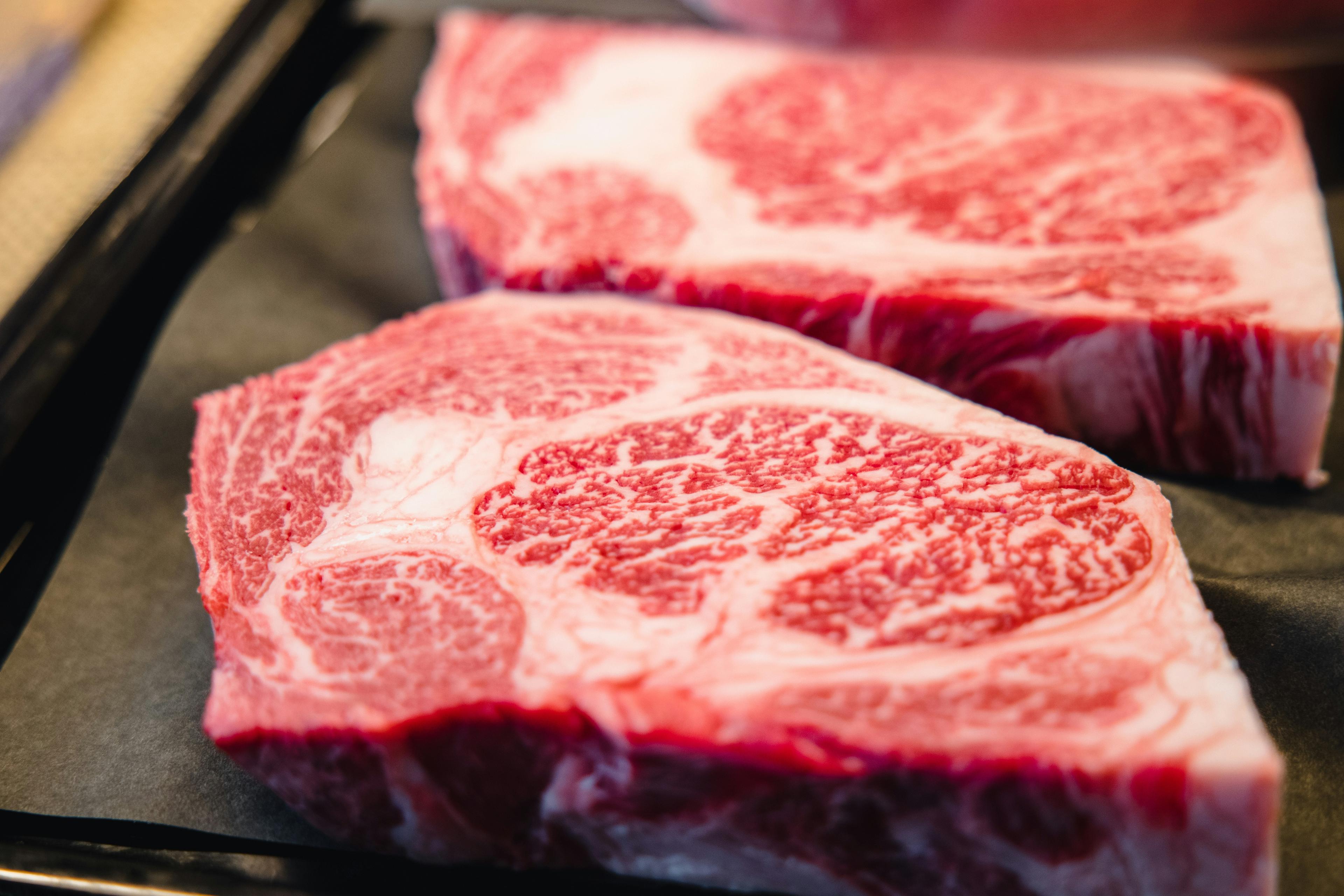
Compare spectral profiles across products and batches to develop grading criteria and assess consistency.

See differences that standard color cameras can miss.
Hyperspectral imaging measures reflected light across hundreds of wavelengths at each pixel. Moisture, composition, and structure influence how food reflects light, creating spectral differences between products that look similar in a color image.
Because each spectrum is tied to a location in the image, researchers can see where those differences occur within a sample or across products moving along a line.
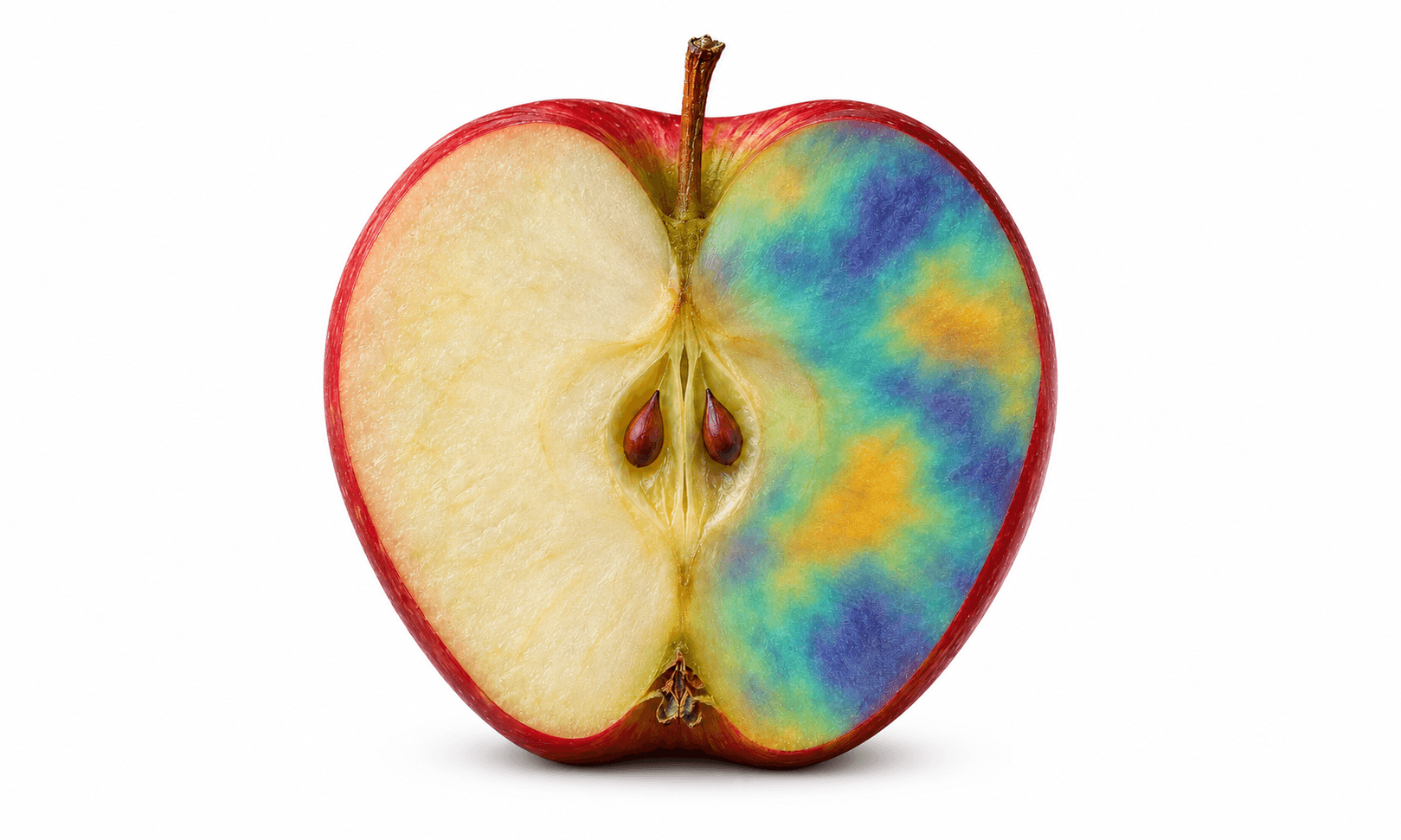
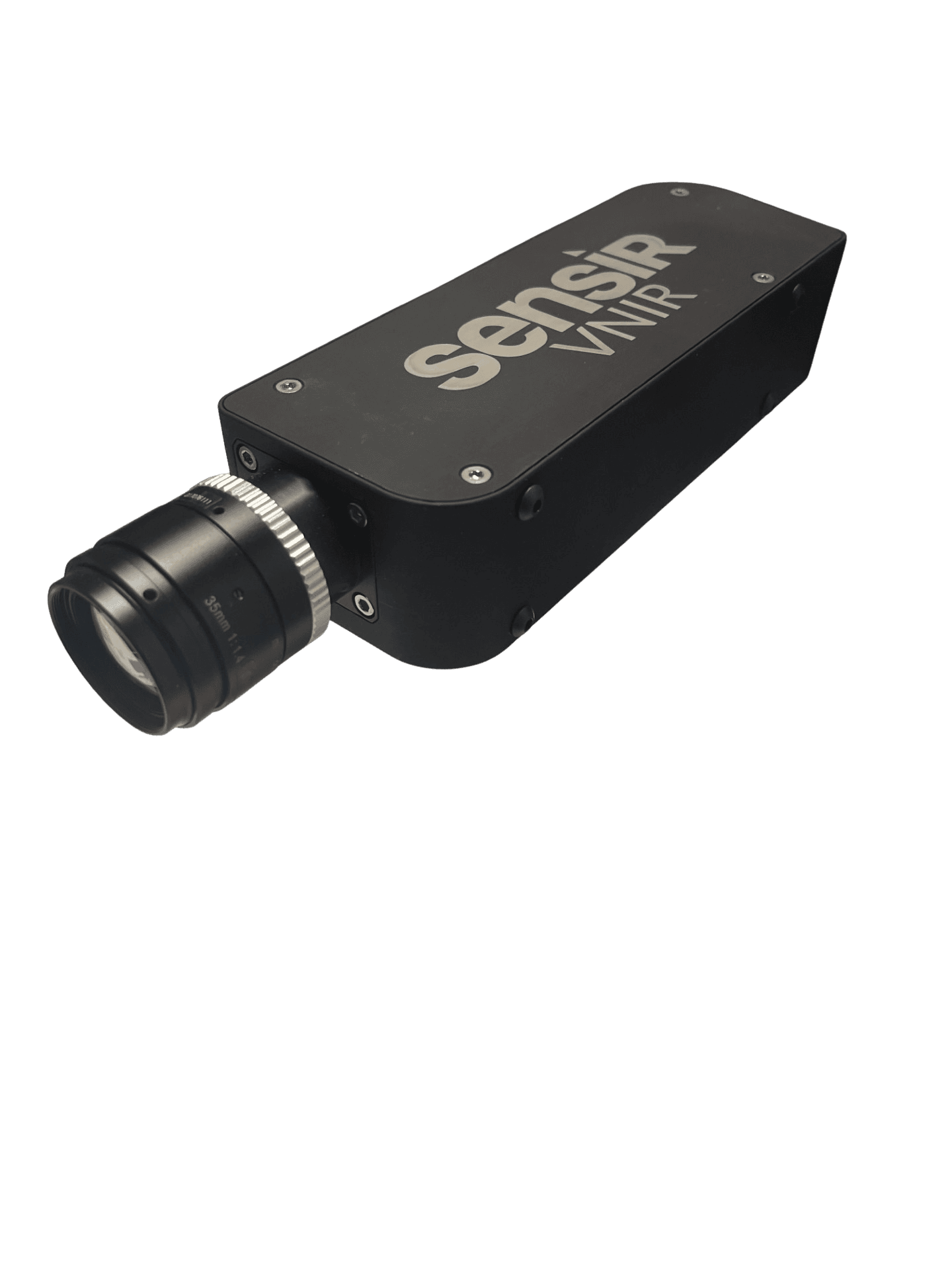
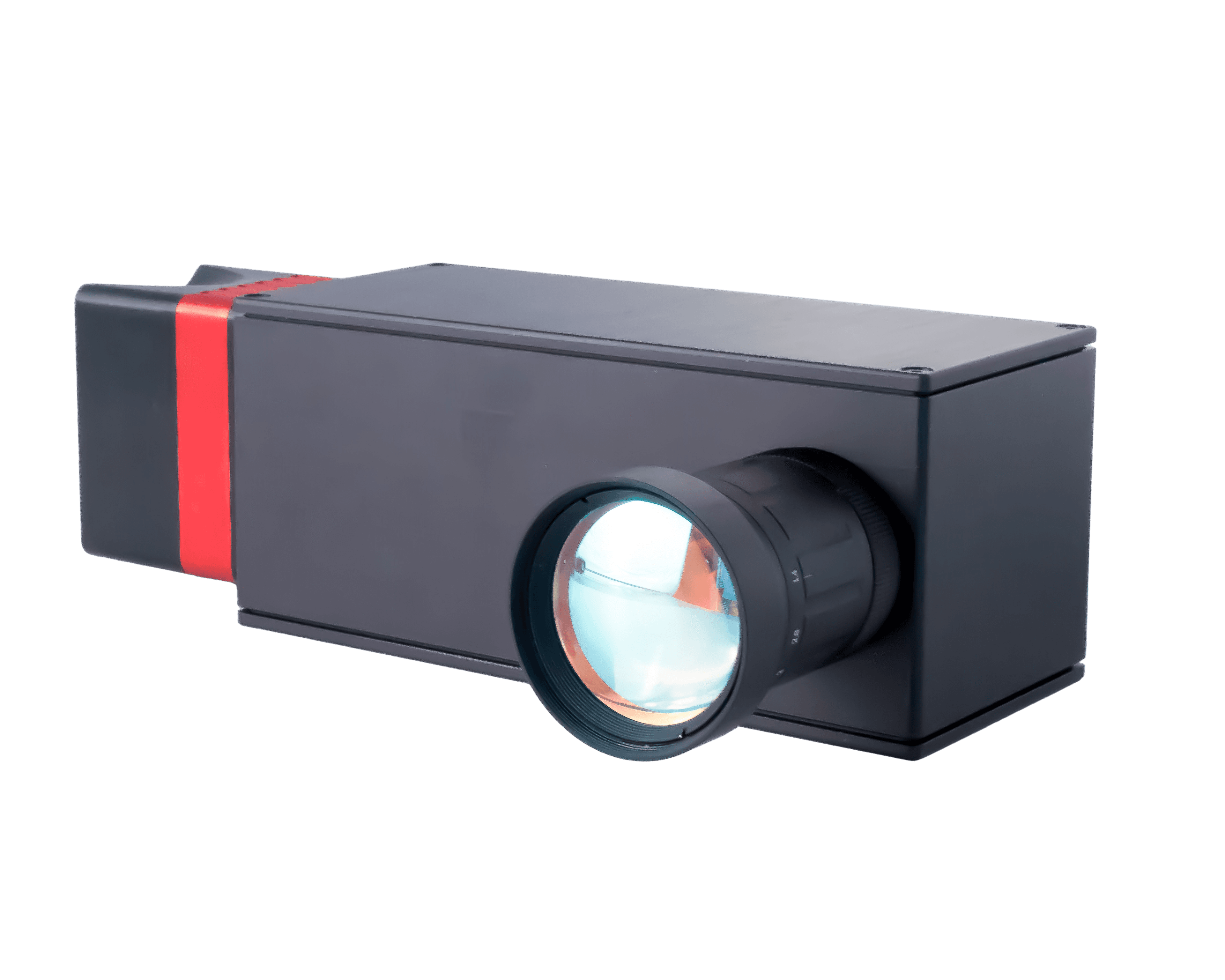
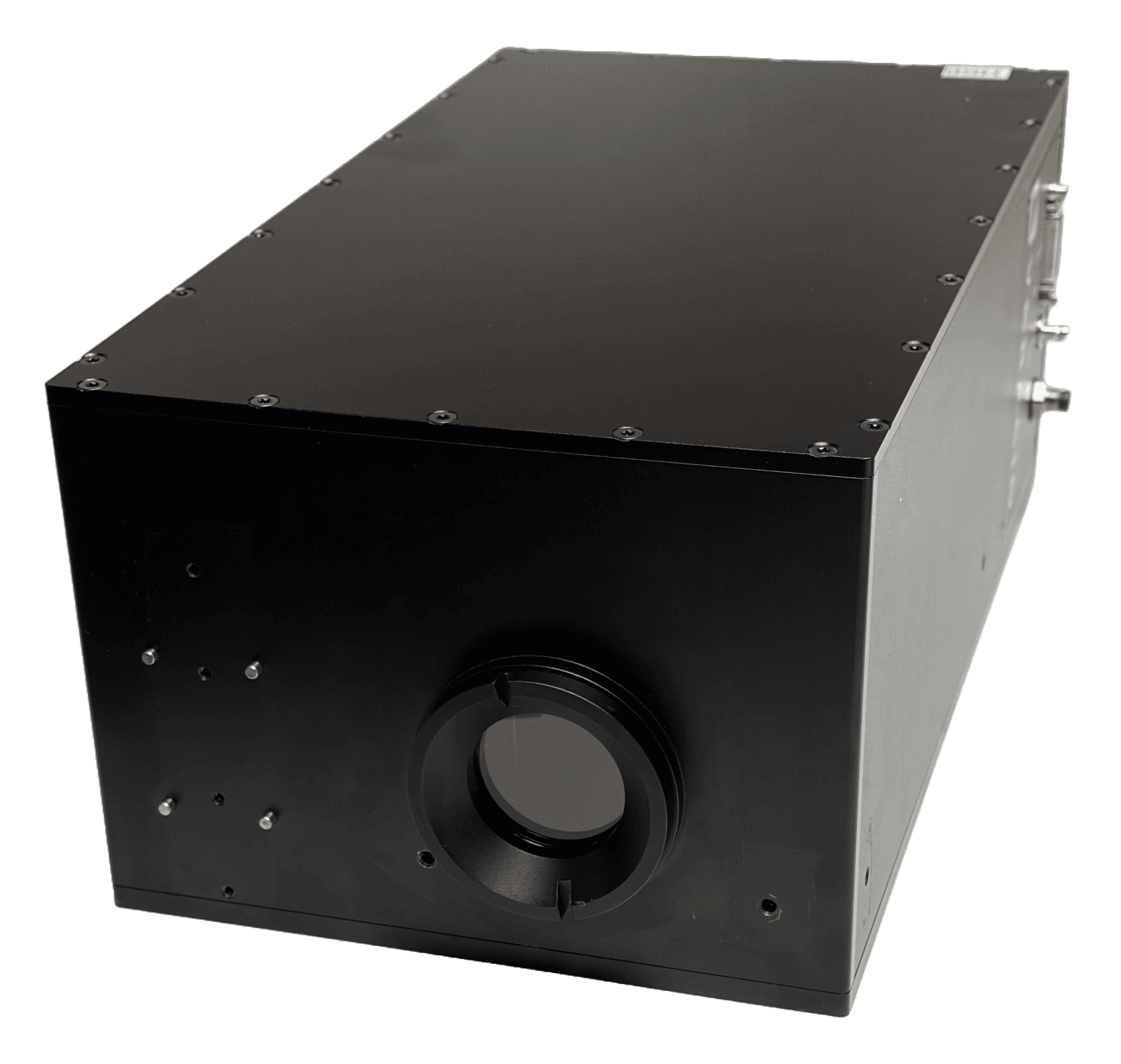
Hyperspectral imaging supports food research, quality assessment, and inspection workflows where compositional and material detail matter. SensIR configures systems around the spectral coverage and deployment needs of each application.
Compare spectral profiles across products and batches to develop grading criteria and assess consistency.
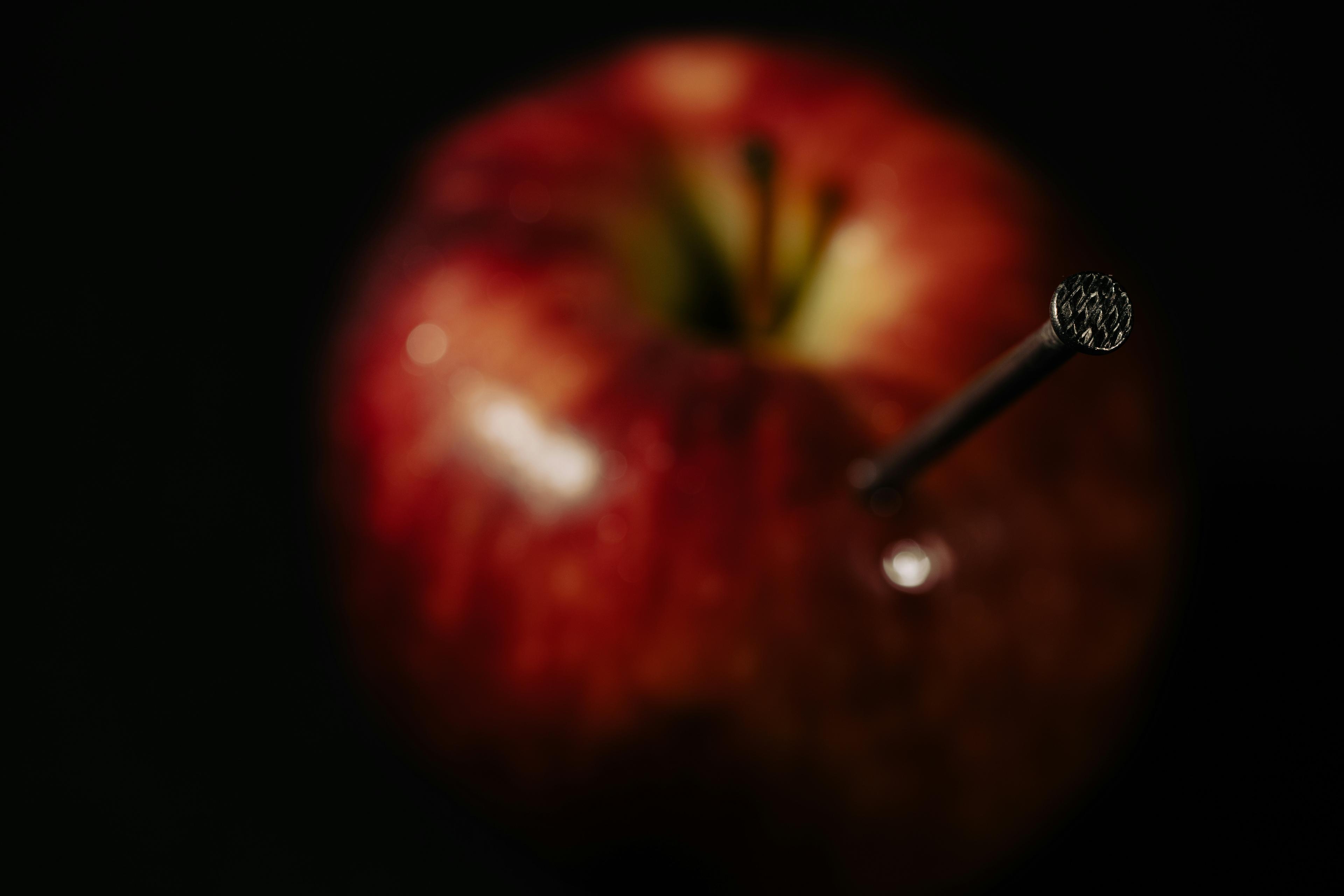
Evaluate whether spectral differences can distinguish foreign materials from the surrounding food.
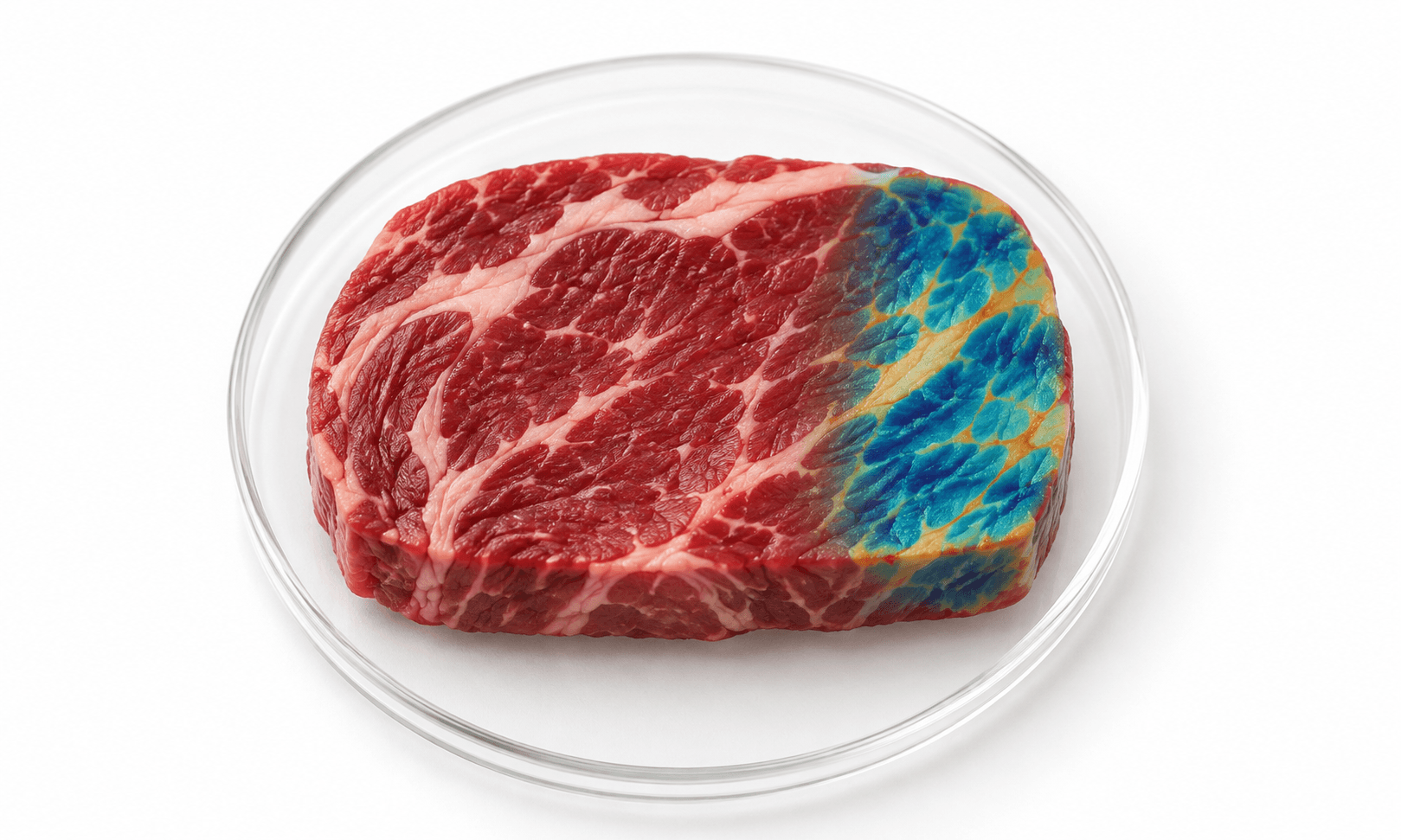
Use calibrated spectral measurements to estimate moisture, fat, or protein content.
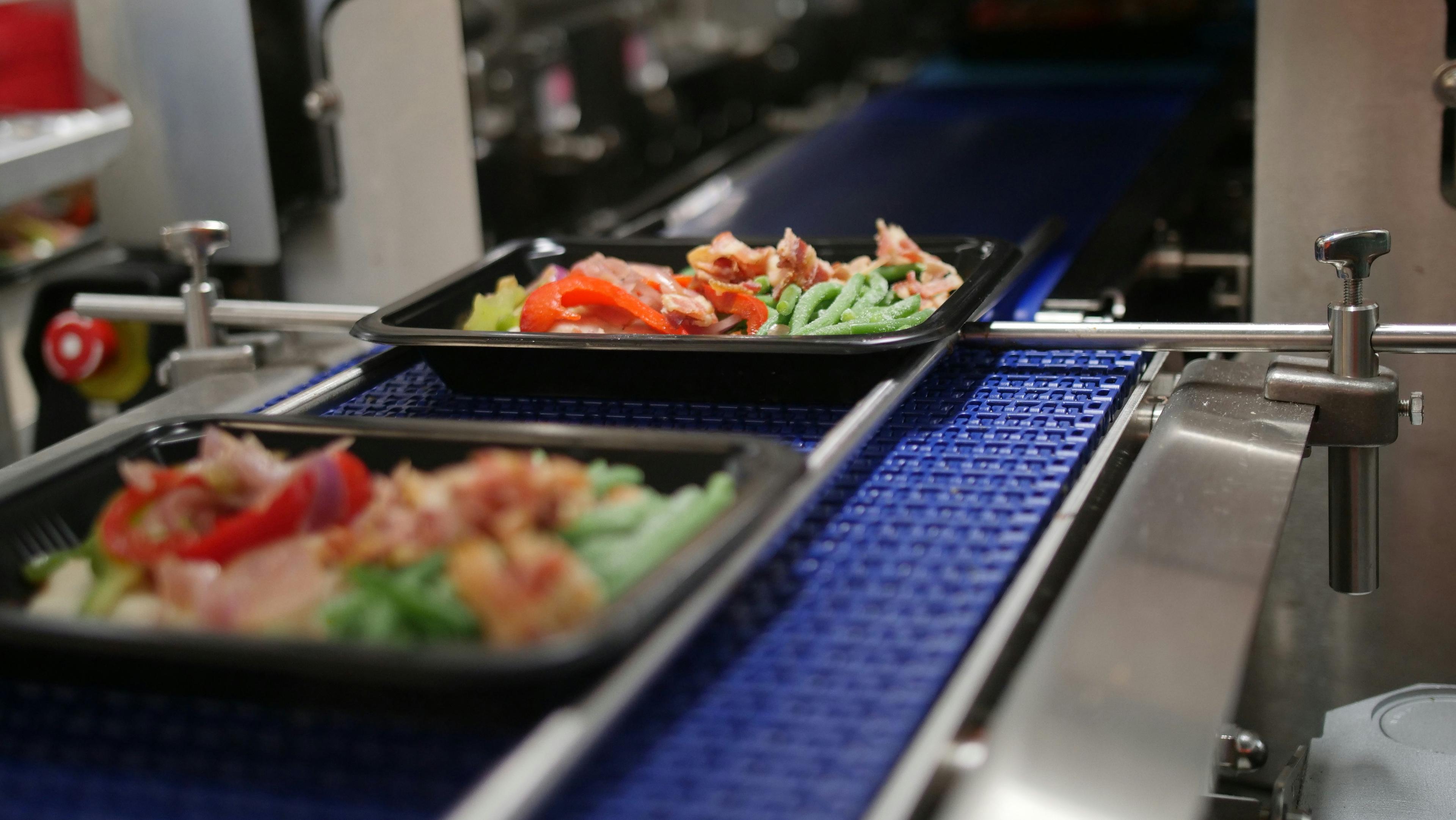
Capture spectral data as products move along a conveyor to evaluate inspection methods under process conditions.
SensIR uses these platforms as starting points and configures spectral coverage, spatial resolution, and acquisition speed for your lab or production line.
Tell us what you need to measure and how samples or products will move through the system. Our engineers can help you choose a spectral range and imaging setup.