Crop Health & Vegetation Monitoring
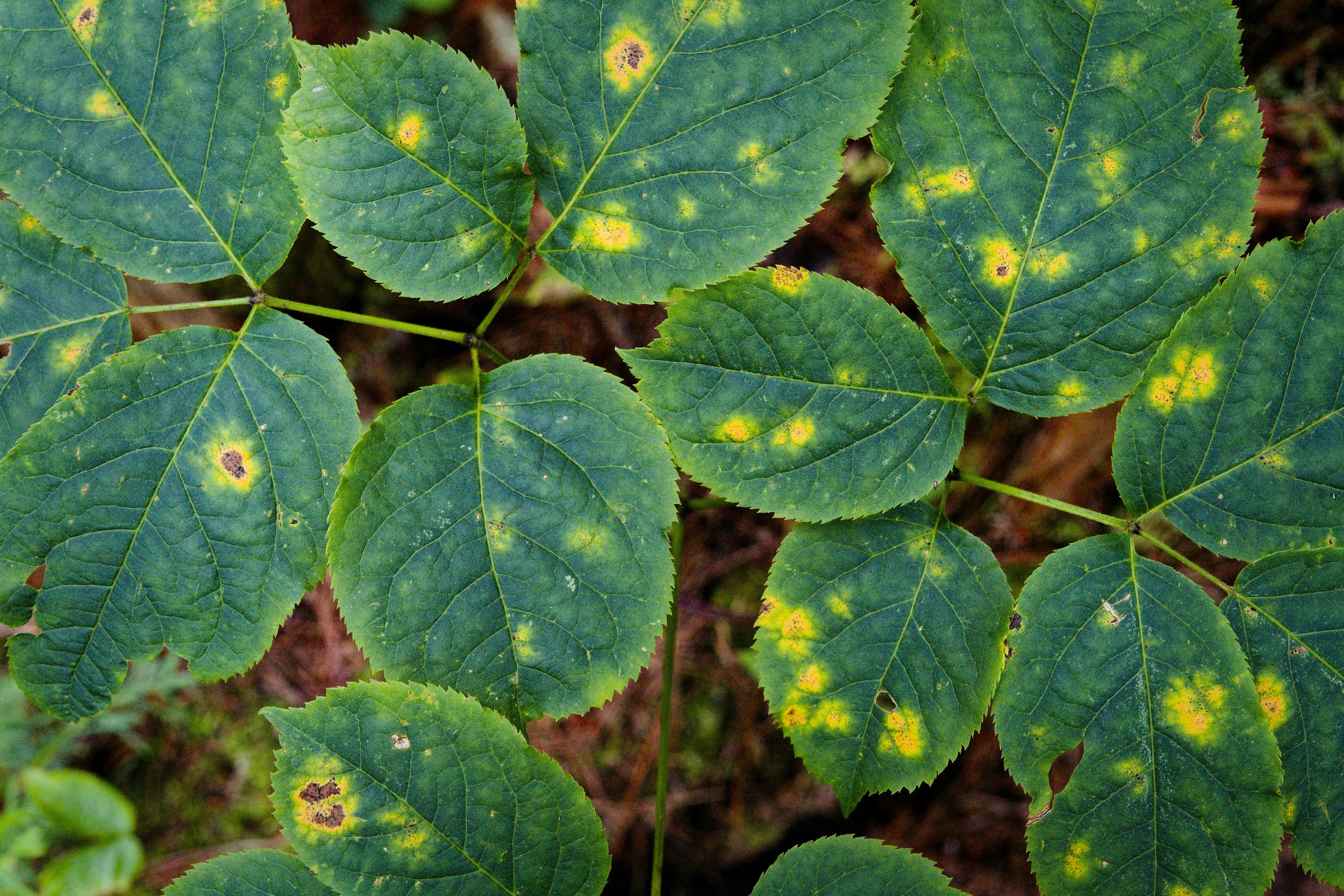
Track changes in vegetation over time and investigate areas showing signs of stress.
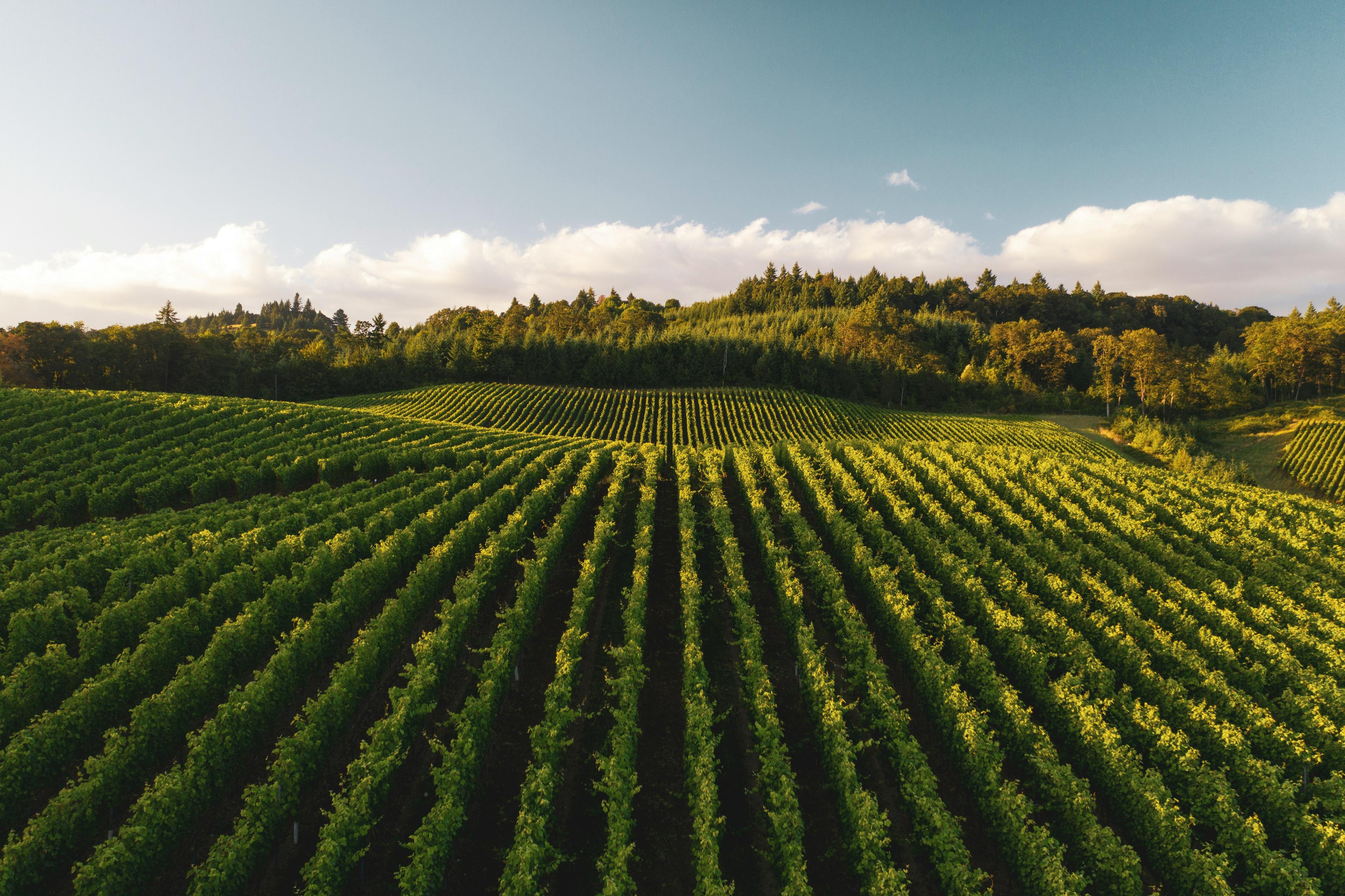
Map crop variability and study plant health.
Hyperspectral imaging measures reflected light across hundreds of wavelengths at each pixel. Plant pigments, water content, and leaf structure influence how light is reflected, creating spectral patterns that researchers can use to study plant condition and composition.
Because each spectrum is tied to a location in the image, researchers can see where those patterns vary across a leaf, a research plot, or an entire field. They can use that detail to compare crop varieties, track changes over time, or identify areas for closer sampling.
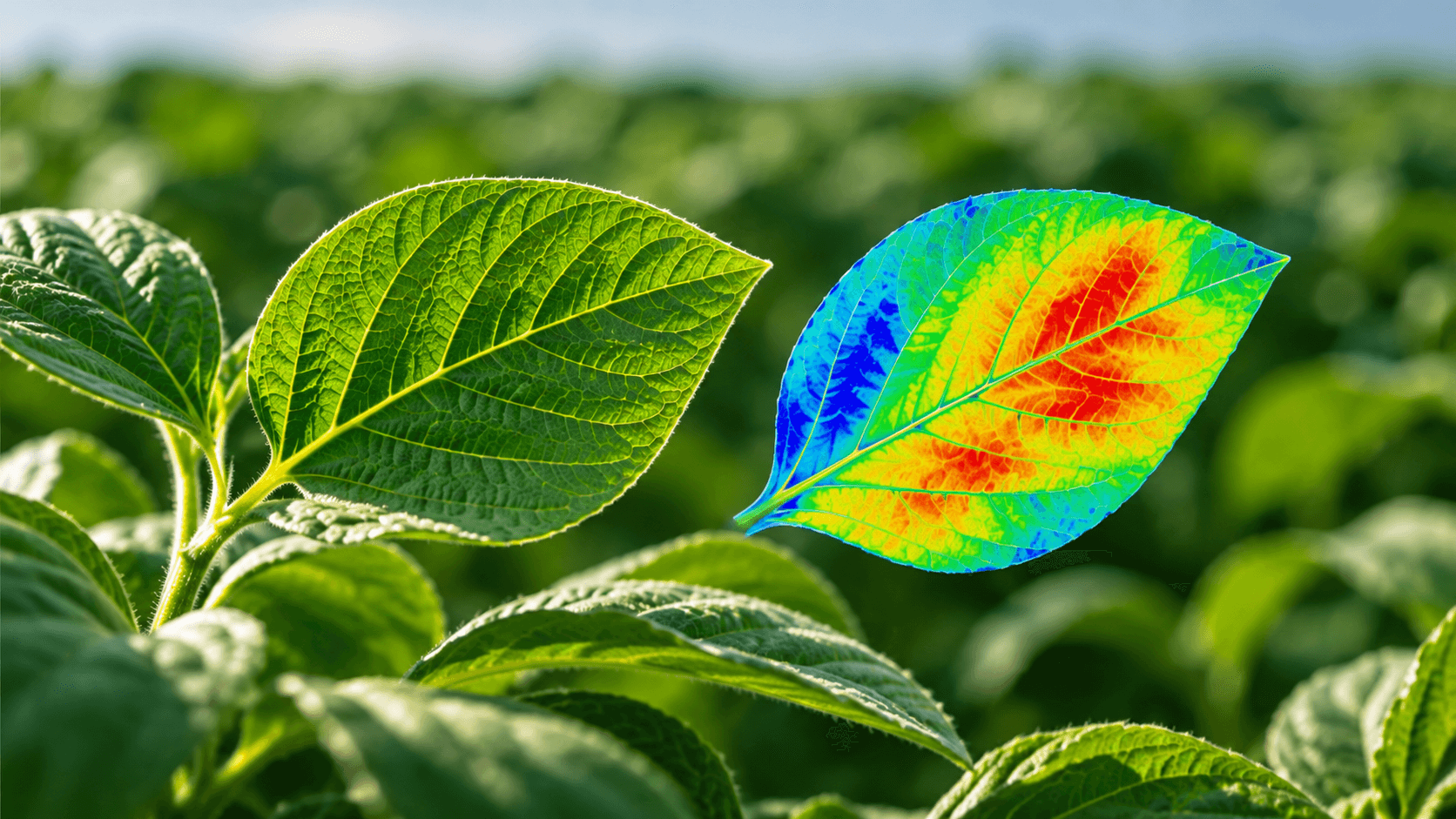
Hyperspectral imaging supports research and monitoring workflows where plant, crop, and environmental detail matter. SensIR configures systems around the spectral coverage and deployment needs of each application.
Track changes in vegetation over time and investigate areas showing signs of stress.
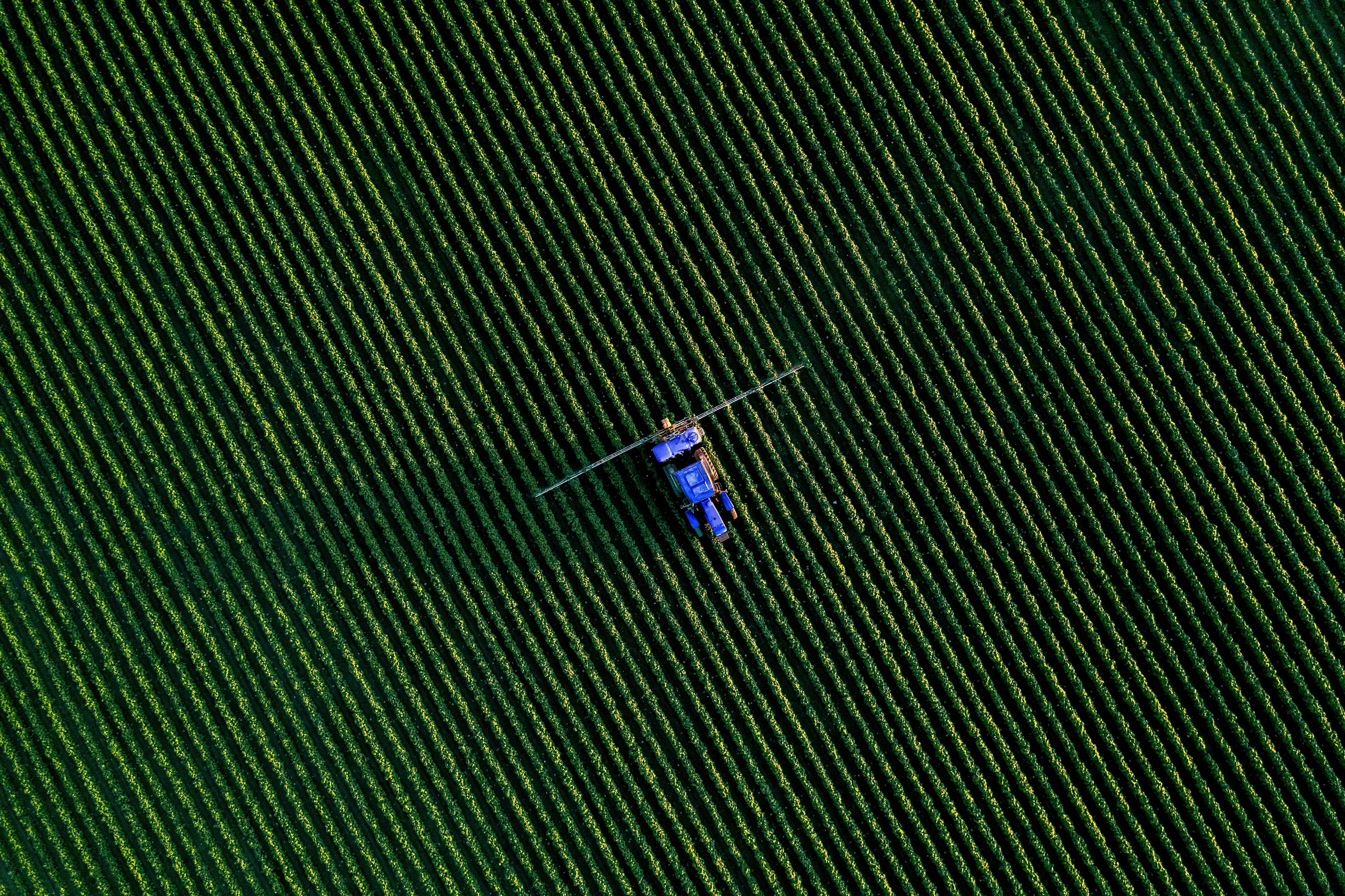
Map variability across field rows and plots to guide targeted sampling and inform crop management.
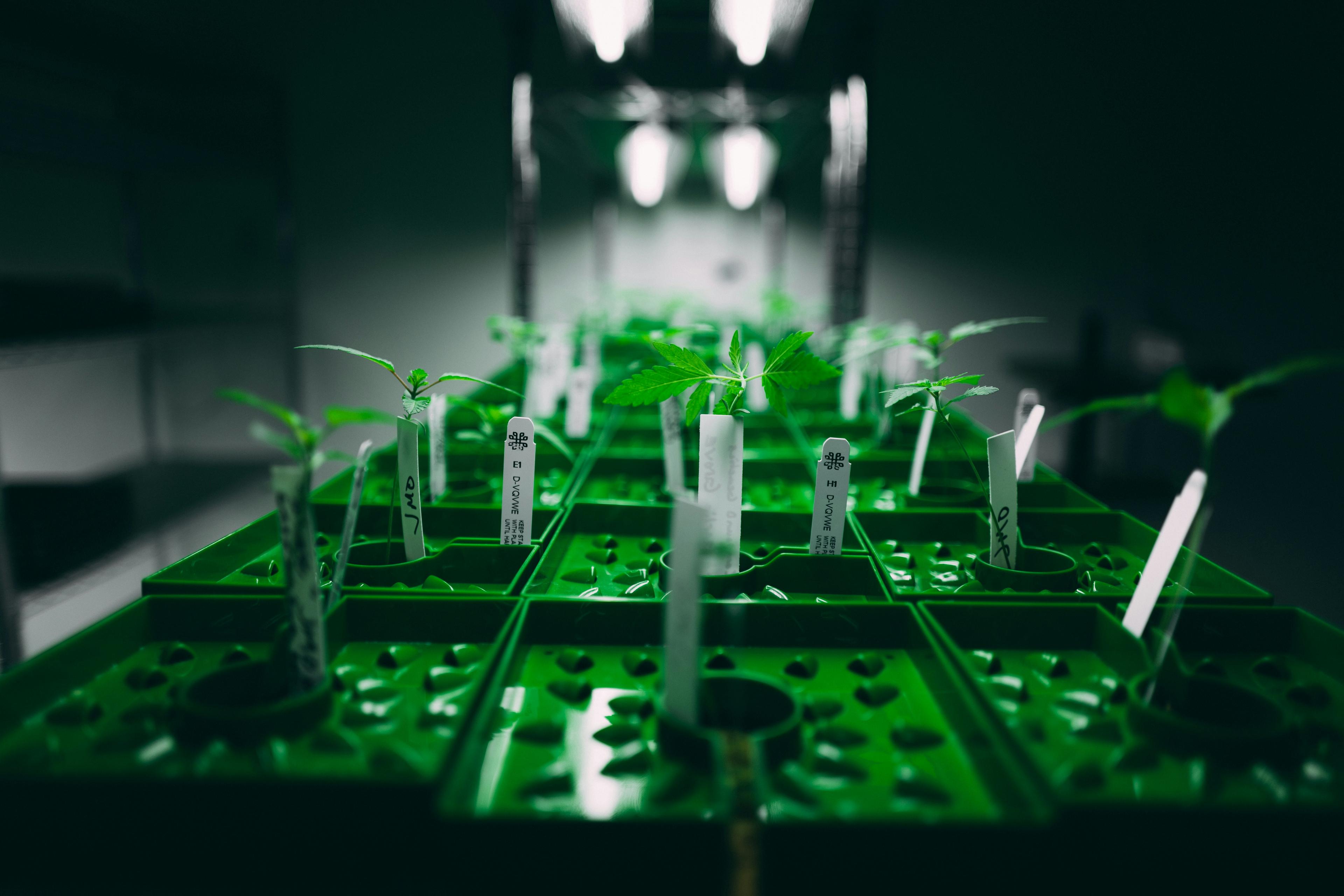
Compare spectral traits across varieties, treatments, or growth stages in controlled studies.
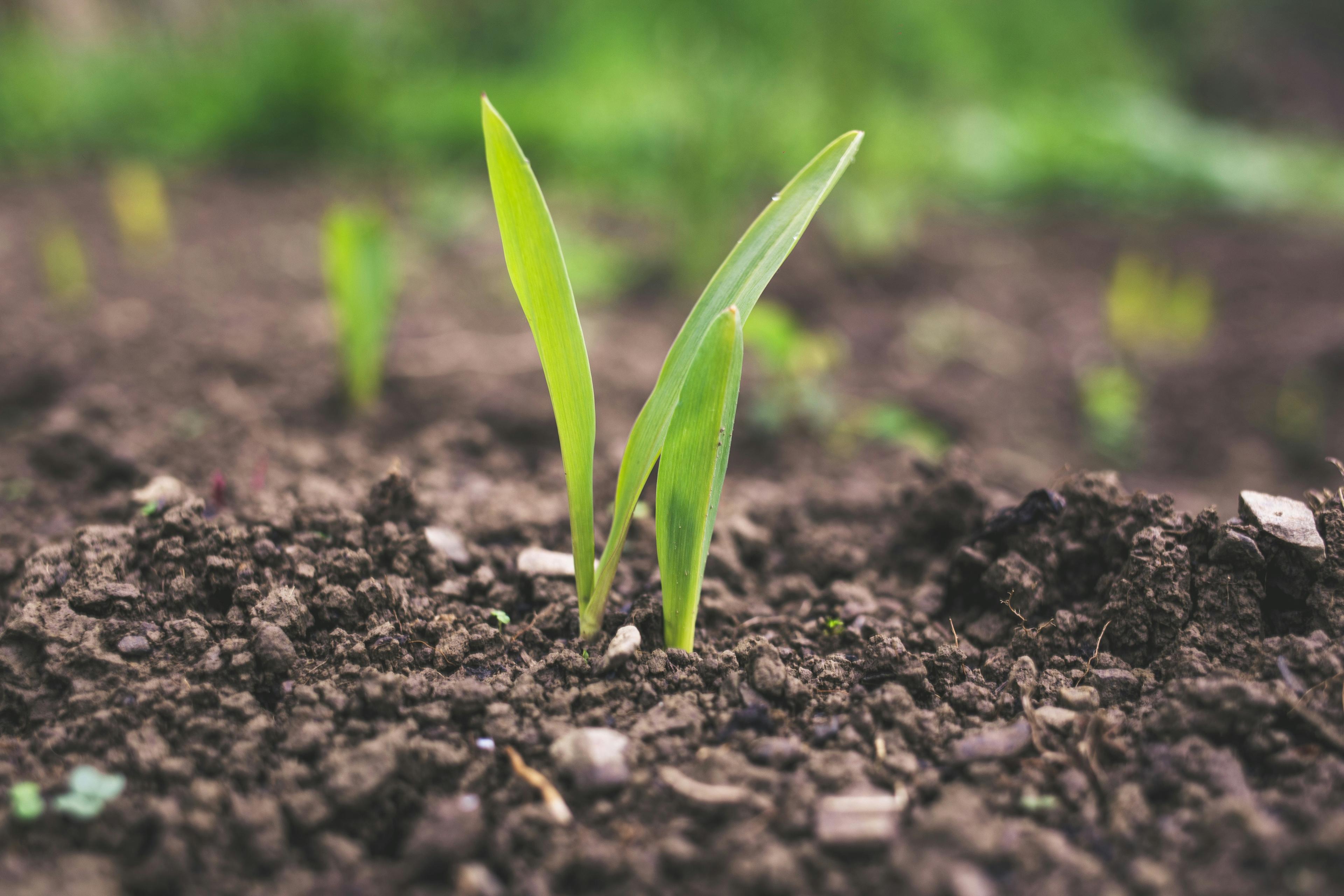
Study how exposed soil and other surface materials vary across a site.
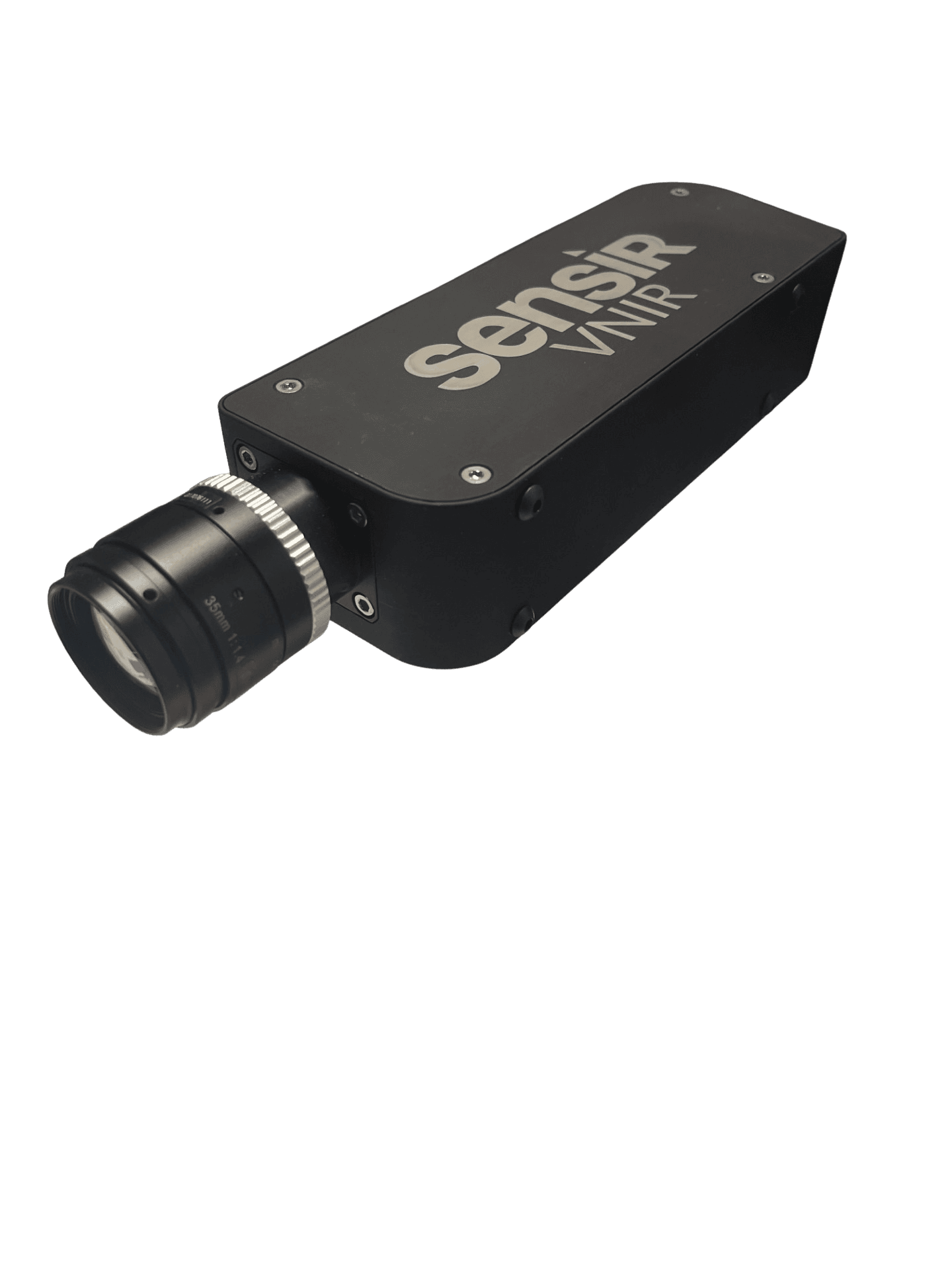
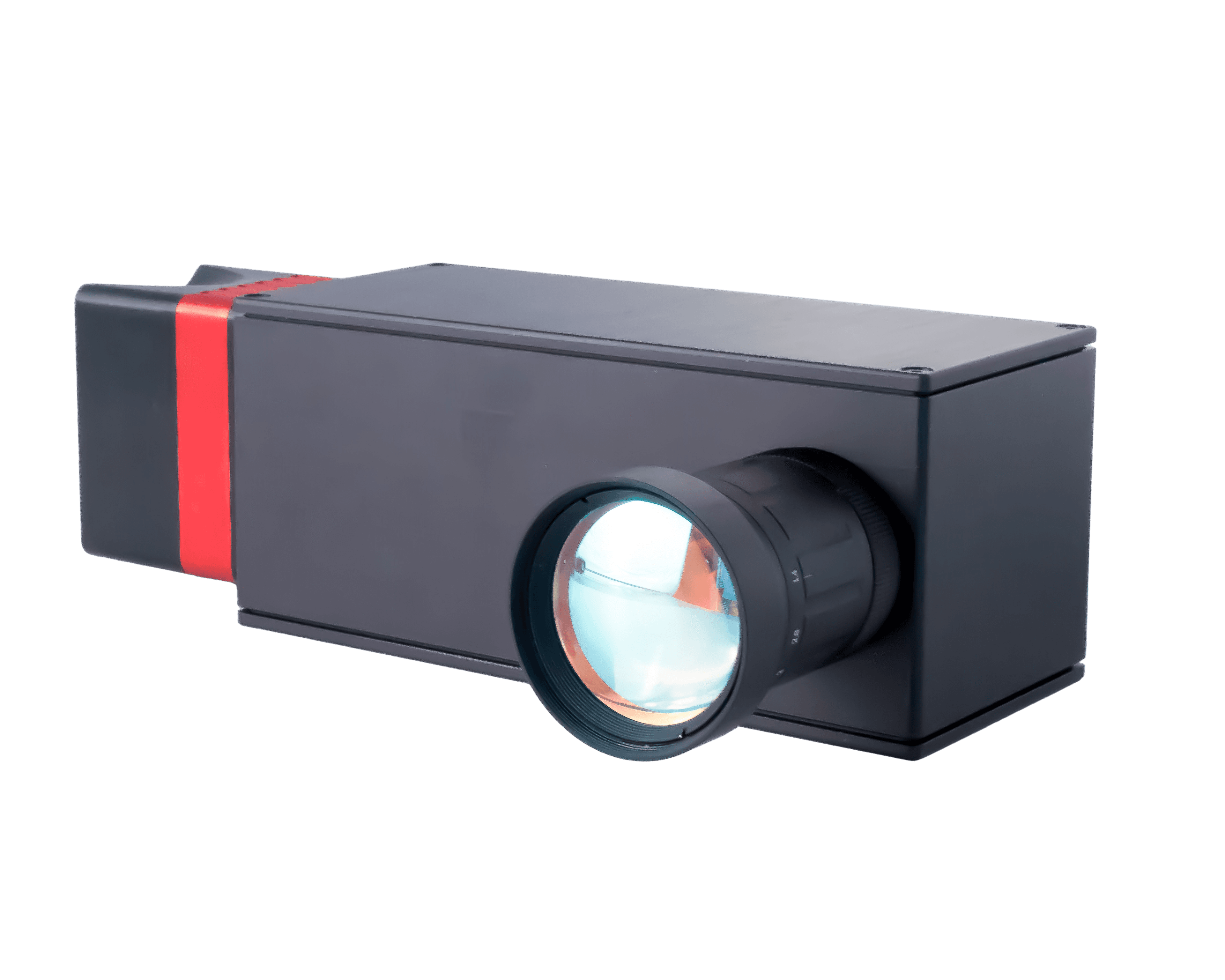
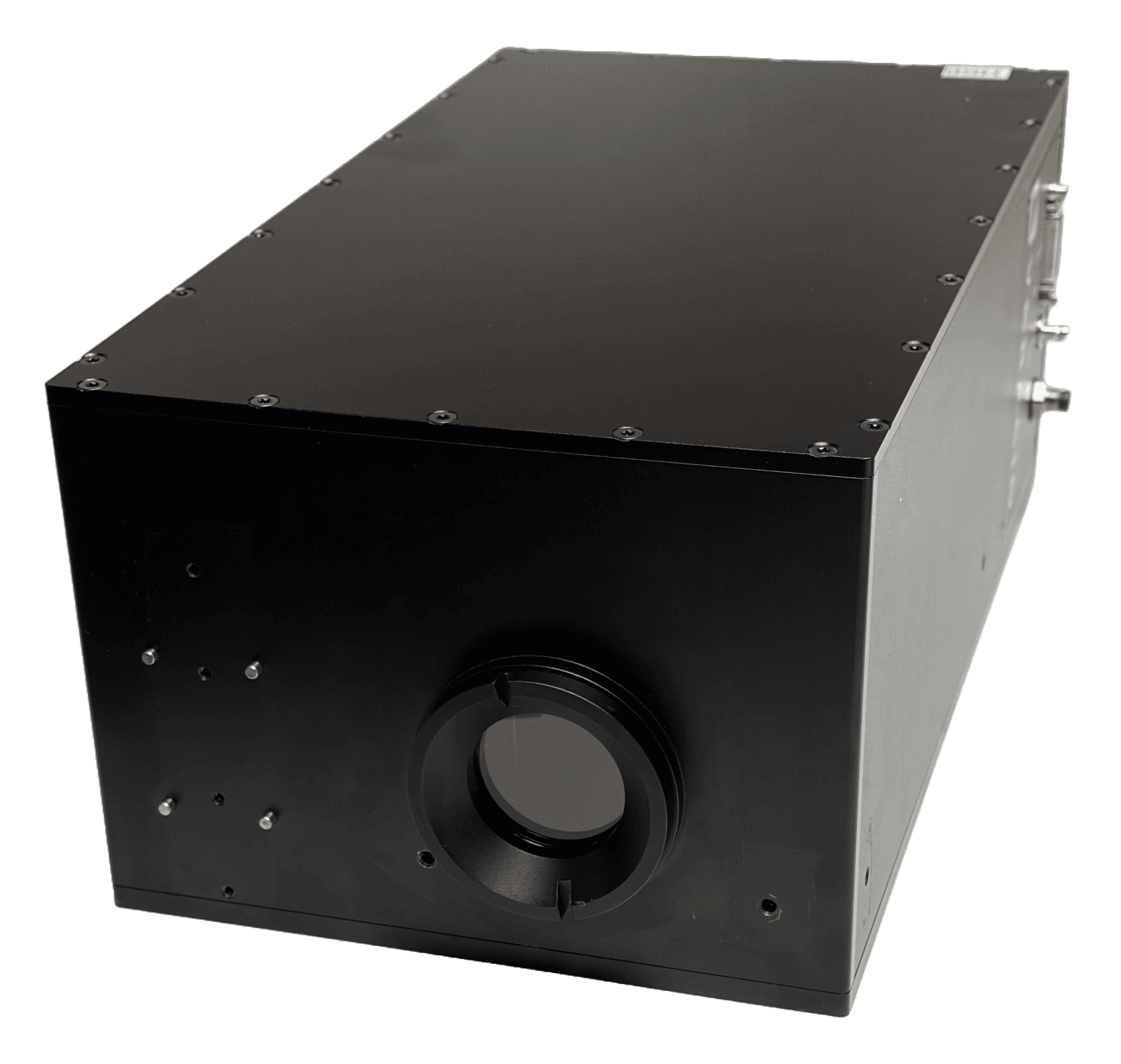
Start with one of these platforms. SensIR can tailor spectral coverage, spatial resolution, and system integration to your application.
Tell us what you need to measure and where you’ll collect data. Our engineers can help you choose a starting platform and configure it for your setup.